

When buying or living in an old house, there are unique challenges and considerations you need to keep in mind. While older homes often come with charm and character, they may also conceal hidden problems that can be costly and even dangerous. This is why an old house inspection is so important—to ensure that your home remains safe and comfortable for many years to come.
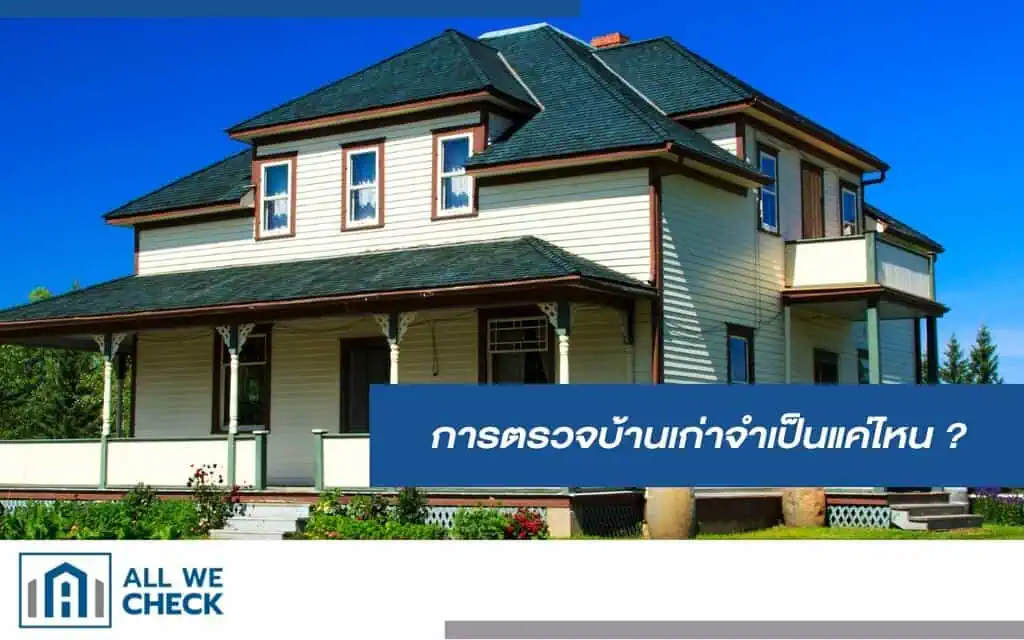
A house inspection is a crucial step in the home-buying process, providing a detailed assessment of the property’s condition. A professional construction consultant will examine the structure, systems, and overall state of the house—something especially important when it comes to inspecting old or second-hand homes.
A thorough inspection not only identifies potential problems but also offers peace of mind by confirming the home’s quality and safety. These concerns are often heightened with pre-owned homes, making inspections an even more critical part of the process to reduce risks when purchasing a resale property.
It is highly recommended to hire a professional home inspector, especially when purchasing an older, pre-owned home. Professional inspectors have the expertise to determine whether the components of a house meet minimum safety standards and regulations. They can also identify issues that may not be immediately visible and provide a detailed report on the home’s condition. Most importantly, they can recommend necessary repairs or improvements to ensure that the old house you are buying is both safe and of good quality.
Generally, inspectors can identify problems on the exterior of an old home such as siding, sealing, windows and doors, decks, patios, and grading. However, these inspections have limitations in detecting hidden issues behind walls, such as faulty wiring, poorly sealed pipes, or damaged plumbing. Purchasing an old house always comes with more risk than buying a new one, but a professional inspection helps reveal the property’s true condition. Here are the key areas you should pay close attention to when inspecting an old house:
1. Exterior Inspection
The exterior of a house is the first line of defense against the elements and contributes greatly to its curb appeal. A thorough exterior inspection ensures that the home is structurally sound, durable, and maintains resale value in the long term.
2. Roof Inspection
The roof is one of the most critical and costly components of a house. Professional inspectors will look for signs of damage or improper installation. Key indicators include missing, loose, or worn shingles, damaged flashing, and broken gutters or downspouts. Roofing materials vary—from tile to specialized materials like metal, slate, or shingles—each requiring different inspection criteria. For example, tiled roofs need to be checked for cracks or breakage, while metal roofs should be examined for corrosion or dents.
3. Wall Inspection
Brick walls provide timeless elegance to any home but require careful inspection to ensure their durability and structural integrity. Important areas to examine include mortar condition, brick stability, and any visible cracks. Efflorescence—a white, powdery residue on the surface—can indicate underlying moisture problems.
4. Balcony, Patio, and Driveway Inspection
For outdoor structures such as balconies, patios, and decks, inspectors check structural integrity by looking for loose boards, unstable railings, and signs of wood rot or insect damage. Driveways and walkways should also be inspected for cracks or surface damage.
5. Interior Inspection
When purchasing an older or second-hand home, it’s crucial to ensure that appliances and systems are functioning properly and meet safety standards. Inspectors also examine walls, floors, and ceilings for any signs of damage, deterioration, or potential hazards.
To make your old house inspection as effective as possible, prepare a checklist of areas you want the inspector to focus on—especially any unique features of the property. You should also accompany the inspector throughout the process to receive firsthand information about the condition of the house. Don’t hesitate to ask questions or request clarification on any issues they discover.
A thorough inspection is a critical step when buying an old house, as it’s often the only chance to uncover potential problems or major defects before purchase. Contact All We Check, where inspections are conducted by a team of licensed professional engineers accredited by the Council of Engineers, with direct experience in the real estate industry. Using modern tools and advanced technology, we provide accurate assessments of your home’s condition. Our inspections help prevent unnecessary expenses by providing cost evaluations before work begins—ensuring you receive the most efficient service possible. Our goal is to give you a home that is truly safe, reliable, and free from future problems.
Source: blythwoodhomes.ca
An inspection helps you understand the overall condition of the property, including potential structural issues, outdated systems, or necessary repairs. Older homes may also hide hazards such as lead paint, mold, or electrical problems that could threaten health and safety. An inspection can reveal these issues early, saving you from costly and unexpected repairs in the future.
If problems are discovered during the inspection, you can use the findings to negotiate a lower purchase price, request repairs, or ask for credits toward future repair costs.
Typically, you should have an inspection before purchasing. After that, it’s recommended to have your home inspected every 5–10 years, depending on the age and condition of the property.
Share:
Related Articles: